

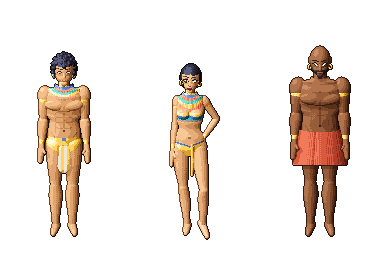
Ranks and titles
All 50 ranks of the game: real Egyptian titles, what they meant and how much experience each one needs.
Read more →The history behind the city: real titles, a real measure of prices, the games of the pharaohs — and an honest list of what we invented.
All 50 ranks of the game: real Egyptian titles, what they meant and how much experience each one needs.
Read more →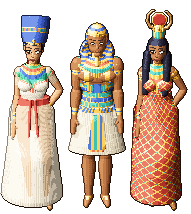
Twenty outfits of the game after real museum pieces — from the scribe’s kilt to the crowns of Nefertiti and the pharaoh.
Read more →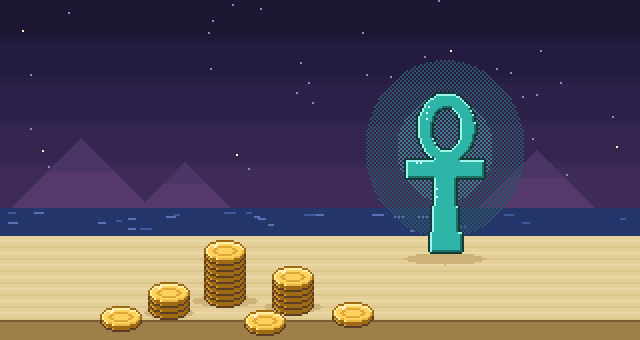
A weight of about 91 grams that worked as money: prices from Deir el-Medina, barter, and the meaning of the ankh.
Read more →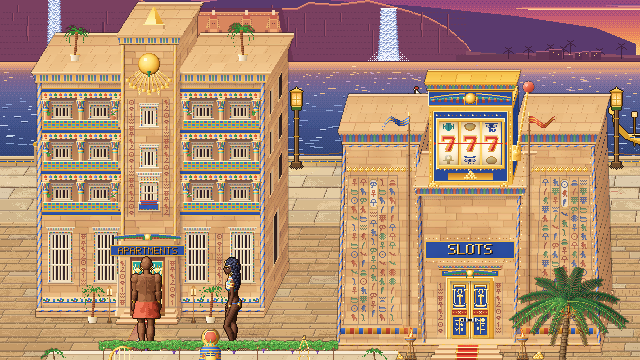
Type a name and get a pixel cartouche with every sound sign explained — and a PNG to keep.
Read more →
Play senet online against the computer or a friend, plus its history, the board, the rules and a step-by-step example.
Read more →
Senet, mehen, hounds and jackals, twenty squares, knucklebones and ball games: what we know and where to see them.
Read more →
Anubis, Thoth, Seshat, Hathor, Ra and Horus: who they were and where they live in our city.
Read more →Anubis City is a game, not a museum, but a lot of it comes straight from ancient Egypt. Our coins are named after the deben, the weight in which Egyptians priced goods. All 50 ranks are real titles, from commoner to vizier. The halls are dedicated to real gods. This section sorts the history from the invention.
We chose Egypt for its love of games. Few ancient peoples took them so seriously: senet boards went into graves for more than fifteen centuries, and Tutankhamun took several game boxes with him into eternity. Egypt even had a “city of the dog”: the Greeks gave the name Kynopolis to a town in Middle Egypt where Anubis was worshipped. Ours is made up — you will not find it on any map.
If you play, start with the ranks: you will see who your current title was in Egypt and how much experience the next one takes. Ancient Egyptian clothing shows the twenty outfits of the Wardrobe and the museum pieces behind them. The deben shows what a goat or a coffin cost in the village of the tomb builders. With the hieroglyph tool you can write your name in a cartouche and download the picture. Senet gives one set of rules you can play today, and the games of ancient Egypt cover the rest, from the snake board of mehen to juggling balls. The patrons of our halls have a section of their own.
Walk around the fountain of Anubis the Guardian, read the cartouches on the pylons and find the senet boards scratched into the street.
Play free